Diagnosing, treating sleep apnea may make driving safer for older adults
Risky driving behaviors increase as common sleep disorder worsens (Links to an external site)
Diagnosing, treating sleep apnea may make driving safer for older adults
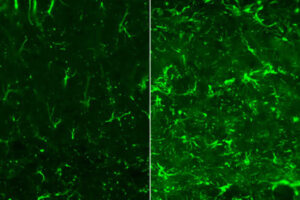
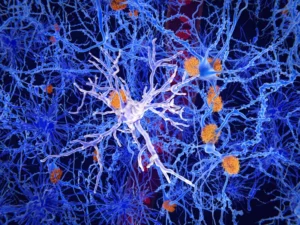
A study by researchers at Washington University School of Medicine in St. Louis has shown that targeting astrocytes — an inflammatory cell in the brain — reduces tau-related brain damage and inflammation in mice.
Now, a blood test developed by researchers at Washington University School of Medicine, St. Louis, has shown promising results in detecting the early signs of AD.
On today’s show, we’ll focus on the future of biomarkers in Alzheimer’s disease. We know that amyloid beta and tau protein deposit long before patients with Alzheimer’s develop symptoms. If we could use biomarkers to detect this pathology early, and treat patients early, could we prevent the progression to dementia?
Could drugs prevent Alzheimer’s? These trials aim to find out
A research team at Washington University School of Medicine in St. Louis has identified potential new treatment targets for Alzheimer’s disease, as well as existing drugs that have therapeutic potential against these targets.
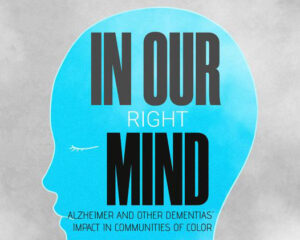
View the webinar screening and panel discussion of Renee Chenault-Fattah’s documentary on how dementias affect communities of color.
Watch the 2021 Lecture by Dr. Jeffrey McClean II entitled “Organizational Equity, Diversity, and Inclusion: Driving Forces and Stumbling Blocks”
View Dr. John C. Morris give the annual State of the Knight ADRC Lecture for 2021.
A research team at Washington University School of Medicine in St. Louis has identified potential new treatment targets for Alzheimer’s disease, as well as existing drugs that have therapeutic potential against these targets.
A new study shows safety and potential benefit for patients with mild disease. Axon’s experimental vaccine AADVac1—currently the most clinically advanced tau therapy in development—aims to do exactly that. Its goal is to activate our bodies’ defense system to clear out free-floating tau proteins in our brains before they can form harmful tangles that accumulate inside nerve […]
When the U.S. government approved the Alzheimer’s disease drug aducanumab last month despite shaky evidence of clinical benefits, Suzanne Schindler saw an immediate consequence: “We’re going to have to do a lot more biomarker testing.” Schindler, a neurologist at the Washington University School of Medicine in St. Louis, expects many patients with memory problems will […]
An investigational Alzheimer’s drug reduced molecular markers of disease and curbed neurodegeneration in the brain, without demonstrating evidence of cognitive benefit, in a phase 2/3 clinical trial led by researchers at Washington University School of Medicine in St. Louis through its Dominantly Inherited Alzheimer Network-Trials Unit (DIAN-TU). These results led the trial leaders to offer the drug, […]