Keynote Presenter: Lisa Barnes, PhD
October 5, 2010 – View Flyer
Connor Auditorium, Farrell Learning & Teaching Center, Washington University School of Medicine, St. Louis
Presented by the Washington University Knight ADRC
Memory & Aging Research in African Americans
Keynote Presenter: Jennifer J. Manly, PhD
September 19, 2006 – View Flyer
East Pavilion Auditorium, BJH
Presented by the Washington University Knight ADRC
No video is available of this event.
Kat Bowles, PhD (UK Dementia Research Institute)
Organization
The National Institute on Aging funds Alzheimer’s Disease Research Centers (ADRCs) at major medical institutions across the United States. Researchers at these Centers are working to translate research advances into…
Resources
In addition to conducting longitudinal and clinical research, the Knight ADRC faculty and staff is committed to providing resources and support to individuals and families affected by memory and thinking…
Data Request Form
Data Request Form Before you begin… Have you reviewed the Guidelines & Data Available page? Have you considered searching existing requests to avoid duplication of effort or conflicting research projects?…
Tissue Request Form
Tissue Request Form Before you begin… Have you reviewed the Guidelines & Data Available page? Have you considered searching existing requests to avoid duplication of effort or conflicting research projects?…
Participant Request Form
Participant Request Form Before you begin… Have you reviewed the Guidelines & Data Available page? Have you considered searching existing requests to avoid duplication of effort or conflicting research projects?…
Horizons Newsletter
HORIZONS is the newsletter of the Charles F. and Joanne Knight Alzheimer Disease Research Center (Knight ADRC) – a research program in the Department of Neurology, Washington University School of…
Selena Washington, PhD, OTR/L (Links to an external site)
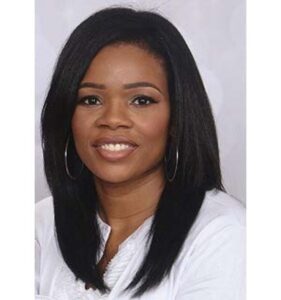
I am an assistant professor at Saint Louis University (SLU), and my current research is conducted at SLU and the Washington University Performance, Environment, Participation Laboratory. I have sought out collaborative and community engaged Dissemination & Implementation research directly related to fall prevention and home modifications for diverse older adults and adults aging with disability. I have been included in federal grant applications (HRSA, HUD, NIA grants) as a sub recipient, and established grant funded staff positions and a research team within my department. I am currently engaged as an investigator/trainee within a NIA research supplement grant, Falls: A Marker of Preclinical Alzheimer’s Disease. Through this supplement, I am investigating the relationship between cognition, fall risks/falls; and the functional symptoms of the pre-clinical stage of Alzheimer's disease within adults aging with Down syndrome.
Support Groups
…thinking changes or diagnosed with dementia before the age of 65) Research Participant Care Partners (a discussion group for care partners, family, and friends of someone with memory and thinking…
PSA Video
Do I qualify to become a research participant? Research affiliated with the Knight ADRC is looking for many different types of volunteers, representing all persons in the St. Louis region:…
Developmental Projects
The Knight Alzheimer Disease Research Center (Knight ADRC) at WashU supports clinical, biomedical, behavioral, and translational research on aging and dementia. Applications proposing patient-oriented research (e.g., risk factors, diagnosis, disease…
Request Center Resources
A major goal of the Knight ADRC is to foster, facilitate, and support research on dementia and aging. To this end, the Center recruits research volunteers to participate in longitudinal cognitive,…
Randall J. Bateman, MD
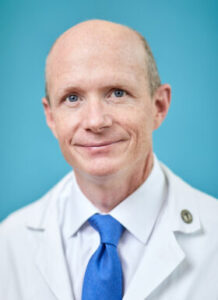
Dr. Bateman’s lab accomplishments include pioneering the central nervous system Stable Isotope Labeling Kinetics (SILK) measurements in humans, furthering insights of human circadian patterns of amyloid-beta and soluble APP, and human in vivo control of the alpha-secretase, beta-secretase, and gamma-secretase processing of amyloid-beta. Dr. Bateman’s research in DIAN has provided evidence for a cascade of events beginning decades before symptom onset that leads to AD dementia. He has received a number of awards including the Beeson Award for Aging Research, Alzheimer’s Association (Zenith Award), Scientific American, Chancellor’s Award for Innovation and Entrepreneurship (Washington University), the Glenn Award for Aging Research, and the MetLife Foundation Award for Medical Research. Dr. Bateman has been the primary mentor for junior faculty, clinical fellows, post-doctoral researchers, and graduate and medical students, who have been successful in their desired scientific careers.
Jonathan Jackson, PhD (Links to an external site)
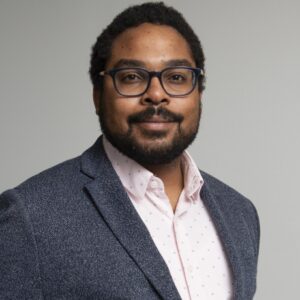
Assistant Investigator, Neurology, Mass General Research Institute and Assistant Professor of Neurology, Harvard Medical School
Dr. Jackson's research focuses on midlife and late-life health disparities in clinical settings that affect Black populations. Dr. Jackson also works as a cognitive neuroscientist, investigating the early detection of Alzheimer's disease (AD), particularly in the absence of overt memory problems. He serves on Massachusetts General Hospital's Alzheimer's Disease Research Center (ADRC) and Mass General's Cancer Center Equity Program, specializing in identifying and overcoming barriers to clinical research for people and communities of color.
Consuelo H. Wilkins, MD, MSCI (Links to an external site)
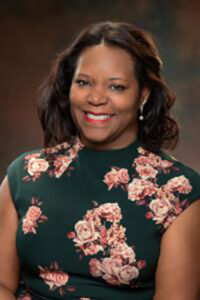
Professor of Medicine, Division of Geriatric Medicine, Senior Vice President and Senior Associate Dean, for Health Equity and Inclusive Excellence, Vanderbilt University
Among Dr. Wilkins’ many contributions to science is her prescient focus on engaging racial and ethnic minority communities, using implementation science methodologies in the design and conduct of clinical research. She has pioneered efforts to move the academic and clinical research enterprise to transform approaches to clinical research design by embedding participant and community engagement in every aspect of biomedical discovery. An elected member of the National Academy of Medicine, she has published over 100 papers on her research.
Gordon Neuroimaging Laboratory (Links to an external site)
The Gordon Neuroimaging Lab focuses on understanding the complexities of the aging brain. This includes studies of both healthy aging as well as neurodegenerative diseases such as Alzheimer disease. We integrate cognitive testing alongside advanced neuroimaging techniques, including MRI (volumetric, DTI, and fMRI) and PET imaging (amyloid, tau, and FDG). Our research crosses multiple domains and is at the intersection of cognitive neuroscience, psychology, neurology and radiology.
Health Disparities in Dementia
…and care, promote quality research (clinical trials and observational studies), engage in meaningful outreach, and provide helpful education. We strive for a team of administrative, research and clinical faculty and…
Clinical Trials
Interested in joining a clinical trial for Alzheimer disease? Clinical research has led to the discovery of every disease treatment prescribed today. By being part of a clinical trial, you…
Carey Gleason, PhD (Links to an external site)
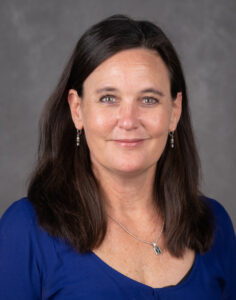
Association Professor of Geriatrics and Gerontology, University of Wisconsin–Madison, and Leader, Inclusion of Under-Represented Groups Core, Wisconsin Alzheimer’s Disease Research Center
Dr. Gleason’s research aims to improve timely identification of and intervention for memory disorders in underserved communities. She is the principal or co-investigator on numerous research projects examining modifiable risk factors, including cardiovascular disease, emotional health, and social context.
Copyright & Licensing
Copyright Information The Charles F. and Joanne Knight Alzheimer’s Disease Research Center (Knight ADRC) holds the United States Copyright for the Clinical Dementia Rating (CDR®) Dementia Staging Instrument and associated…
Michelle Rudman, MD, PhD (Links to an external site)

Michelle Rudman, MD, PhD is a postdoctoral fellow in aging and dementia at the Washington University Knight ADRC. She obtained her combined MD/PhD degree from the University of Miami Miller School of Medicine in 2019 and completed her adult neurology residency training at Washington University/Barnes Jewish Hospital in 2023. Dr. Rudman sees patients in the Washington University Memory Diagnostic Center and conducts research on Alzheimer's disease in the laboratory of Dr. David M. Holtzman. Dr. Rudman's research focuses on understanding the ways in which the adaptive immune response may be exacerbating neuroinflammation and neurodegeneration in a mouse model of tauopathy. This research has important implications for understanding the ways in which the immune response contributes to Alzheimer's disease-related pathology.
Dominantly Inherited Alzheimer Network
The Dominantly Inherited Alzheimer Network (DIAN) is an international research effort focused on Dominantly Inherited Alzheimer disease (DIAD). What is DIAD? Dominantly Inherited Alzheimer disease is a rare form of Alzheimer’s that…
Cyrus A. Raji, MD, PhD (Links to an external site)
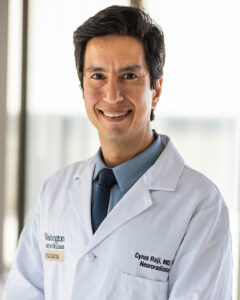
Cyrus A. Raji, MD, PhD is an assistant professor of radiology and a principal investigator in the Neuroimaging Labs Research Center at Mallinckrodt Institute of Radiology (MIR), the academic radiology department of Washington University School of Medicine in St. Louis. Raji, also a professor neurology, serves as director of neuromagnetic resonance imaging at Barnes-Jewish Hospital and as associate director of the diagnostic radiology residency research track. He is board certified in diagnostic radiology and neuroradiology with research interests focusing on modifiable risk factors for dementia and the role of advanced neuroimaging in quantitatively tracking related brain changes.
African American Advisory Board
The African American Advisory Board (AAAB) was established in August 2000, to counsel the ADRC research team concerning appropriate outreach strategies to encourage active, long-term participation of African Americans in…
Homepage
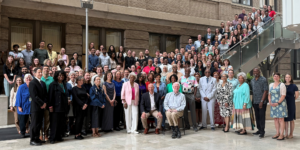
WELCOME The Charles F. and Joanne Knight Alzheimer Disease Research Center (Knight ADRC) supports researchers, our participants, and the lay public in their pursuit of answers that will lead to…
Clinician Referrals
…contribution to research. Whom to Refer The Knight ADRC continually strives to recruit a diverse group of research volunteers. We are actively seeking: Adults between the ages of 45 &…
Selection Process
…career trajectory Commitment to ADRD research Ability of mentor team and research environment to contribute to trainee’s success Please note, REC support is typically for two years, but trainees will…
Andrea Denny, JD, MSSW (Links to an external site)
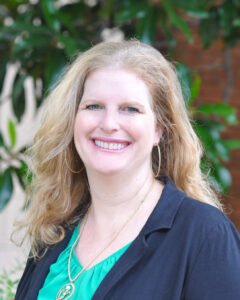
Instructor in Neurology and Leader, Knight ADRC Outreach, Recruitment, and Engagement Core Leader, Washington University School of Medicine
The focus of Andrea Denny's research and practice is Alzheimer's disease and related diseases (ADRD) associated with aging. Specific interests include improving recruitment and retention of research volunteers in ADRD research. She also has an interest in the dissemination of knowledge from the academic setting to the community including historically minoritized and rural communities, Her work centers on ways to improve outcomes for those living with ADRD and their care partners.
Jeffrey Burns, MD, MS (Links to an external site)
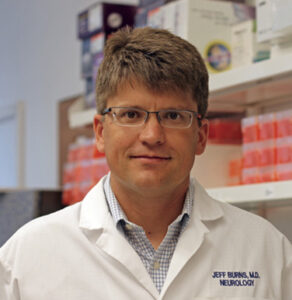
Dr. Burns' research program supports clinical trials testing new approaches to treating Alzheimer's disease and a variety of research projects focused on how lifestyle issues such as diet and exercise can be used to prevent or delay the onset of Alzheimer's disease. His research is supported by the National Institutes of Health and by generous contributions from the community.
Joyce (Joy) Balls-Berry, PhD (Links to an external site)
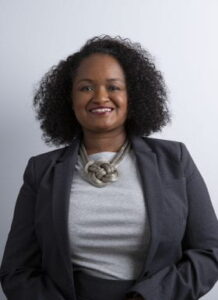
Associate Professor of Neurology, Leader, Health Disparities and Equity Core, Knight ADRC, Washington University School of Medicine
Joyce (Joy) E. Balls-Berry, Ph.D., is a psychiatric epidemiologist and health educator. Her primary research focuses on applying community and patient engaged research principles in diverse populations to reduce health disparities and increase health equity. Much of Dr. Balls-Berry’s research centers on determining ways to increase diversity and inclusion in clinical and translational science.
Participation, Environment and Performance Laboratory (Links to an external site)
The clinical translational research of the Participation, Environment and Performance Laboratory (PEPL) focuses on the unique contribution that the environment can make toward improving the performance, participation and quality of life for persons living with functional limitations. Dr. Susy Stark and her team study how the environment accounts for the differences between what individuals are capable of doing and their actual participation. An exploration of the physical environment as influencing behavior is the basis of research questions studied by the lab. Most studies focus on the challenges faced by older adults in underserved communities in urban St. Louis.
Van Park, PhD, MPH (Links to an external site)

Professor, Community Health Systems, School of Nursing, University of California, San Francisco
Dr. Park's primary research interest is to address issues related to racial and ethnic minority health and healthcare disparities, especially among Asian Americans and Pacific Islanders (AAPI), through community-based participatory research. Her research areas include mental health and Alzheimer's disease and related dementias (ADRD) caregiving.
Sanjay Asthana, MD (Links to an external site)
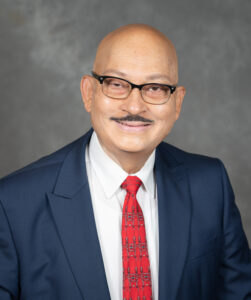
Ballantine Chair in Geriatrics and Director, Alzheimer Disease Research Center, University Wisconsin
Dr. Asthana’s research program broadly focuses on clinical psychopharmacology and neuroendocrinology of gonadal steroids and cholinergic drugs in Alzheimer’s disease and healthy aging.
Guidelines & Data Available
…data across a broad demographic, cognitive, and genetic spectrum an easily accessible platform for use in neuroimaging, clinical, and cognitive research on normal aging and cognitive decline. For more information…
Tuesday Seminar List of Presenters
The searchable archive below contains a list of Knight ADRC Tuesday Seminar presenters, the date of their presentation, institutional affiliation, and the title of their talk. The archive starts in…
Ozioma Okonkwo, PhD (Links to an external site)
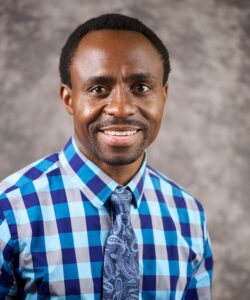
Associate Professor, Department of Medicine and the Wisconsin Alzheimer Disease Research Center, University Wisconsin – Madison
Dr. Okonkwo's research focuses on clarifying how alterations in the brain and other biomolecules (such as cerebrospinal fluid β-amyloid) place some cognitively-normal individuals on a trajectory that culminates in probable Alzheimer’s disease. He is also interested in discovering new knowledge concerning the modulation of the link between brain changes and cognitive decline by both modifiable (e.g., cognitively-stimulating activities, physical exercise) and non-modifiable (e.g., genetic vulnerability) factors.
Tamara Restrepo, MS (Links to an external site)
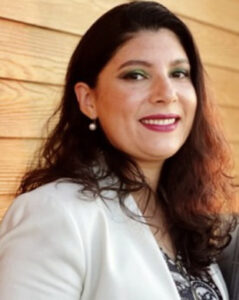
Project Manager, Trusting Research, University of California, San Francisco
Tamara’s personal mission is to make a positive impact on human health. With a background in biomedical science and business administration, Tamara has contributed to various organizations in the Academic Research, Healthcare and Biotech industries over the past ten years by crafting strategy, as well as leading the operation and implementation efforts. Tamara has a keen interest in the following areas; Health policy, Change management, and Empowerment of underrepresented communities.
COMPASS
…evaluates how well advances in Alzheimer research that come from participants in research studies at WashU perform in the real world. To learn more about COMPASS and how to participate,…
FAQ
…Availability Disclaimer Started in 2005, the Knight ADRC poster printing service was originally only available to Center-affiliated research investigators. As a courtesy, and to promote the dissemination valuable research data,…
Patients and Families
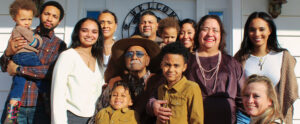
In addition to the longitudinal research work of the Memory and Aging Project, the faculty and staff of the Knight ADRC are committed to providing resources and support to people…
Peter Millar, PhD (Links to an external site)
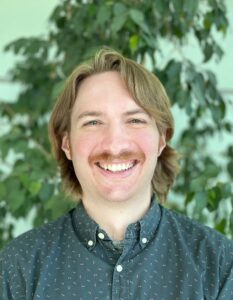
Dr. Peter Millar completed his PhD in Psychological & Brain Sciences at Washington University in St. Louis in 2020, working with Dr. Dave Balota, where he focused on cognitive changes in healthy aging and early Alzheimer disease. He further trained as a postdoctoral research associate with Dr. Beau Ances in the Department of Neurology at Wash U, where he completed additional training in functional and structural neuroimaging methods. He is now an Instructor in Neurology at Wash U. His primary research interests involve using multimodal neuroimaging and advanced computational techniques to study the effects of aging and Alzheimer disease on the brain and how they related to cognition.
Support and Education
…Alzheimer Disease Research Center is proud to offer services through our research center and foster strong partnerships with our partner organizations who specialize in supporting patients and care partners with…
Professionals & Clinicians

…online training). Active researchers may also submit formal resource requests for Center data, tissue and research participants. Use the navigation menu or links below to learn more about what resources…
News

Alzheimer research is constantly evolving. For the latest news involving Center-affiliated researchers, visit our Knight ADRC in the News page. Follow us on X and like us on Facebook for…
July 15, 2021: Behaviors and Communication in Dementia Care (Links to an external site)
Becky Fierberg, MSW, LCSW, Clinical Research Coordinator and Social Worker, Knight Alzheimer Disease Research Center, Washington University School of Medicine
Adult Children Study
What is the Adult Children Study? The Adult Children Study (ACS) is a research study that is seeking volunteers ages 45 to 64 at the time of enrollment in order…
Participant Feedback
The Memory & Aging Project (MAP) wants to hear from you! The Memory and Aging Project (MAP) of the Knight Alzheimer Disease Research Center at WashU strives to do our…
Beth Prusaczyk, PhD, MSW (Links to an external site)
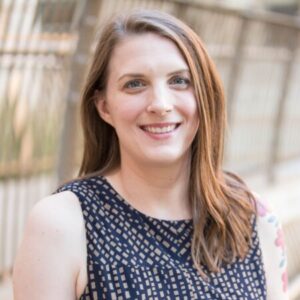
Dr. Prusaczyk’s research focuses on improving the health and healthcare of older adults, particularly vulnerable older adults such as those with dementia or those living in rural areas, through the use of implementation science and data and technology. Specifically, her research focuses on the implementation of evidence-based practices and policies that improve care at the intersection of the health and social service settings. She is also interested in using social network analysis to understand care coordination and communication among health and social service providers.