…care practice during the annual wellness visit, an emergency room setting and research. The AD8 requires no specialized, formal training to administer. Is it valid and reliable? Concurrent validity is…
Tom Lin, PhD (Links to an external site)
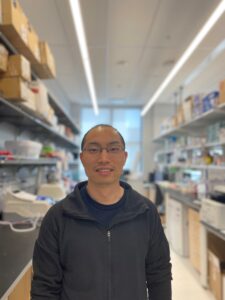
Dr. Tom Lin is an instructor in the Department of Biochemistry and Molecular Biophysics, working with Dr. Benjamin A. Garcia. He completed his PhD research in Medicinal Chemistry at the University of Tennessee and postdoc training in Chemical Proteomics at the University of Pennsylvania. His primary research focuses are the discovery, biological functions, and therapeutical potentials of posttranslational arginylation using chemical, proteomic, and biochemical approaches. One of his main projects is to unveil the roles of arginylation in the progression of tauopathies and Alzheimer disease.
John C. Morris, MD (Links to an external site)
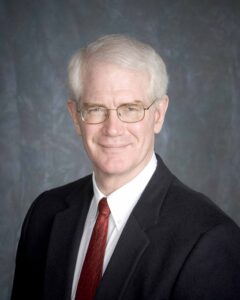
Friedman Distinguished Professor of Neurology, Knight ADRC at Washington University School of Medicine
The focus of Dr. Morris' research and practice is Alzheimer's disease and other neurological disorders associated with aging. Specific research interests include improving the diagnosis of early-stage Alzheimer's disease, clinicopathological correlations in dementing disorders, evaluating new drugs for the treatment of dementia, establishing phenotypes for inherited forms of Alzheimer disease and other dementias, and identifying preclinical stages of Alzheimer disease by biomarker and neuroimaging studies.
William T. Hu, MD, PhD, FAAN (Links to an external site)
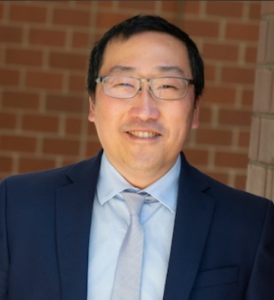
Associate Professor and Chief of Cognitive Neurology Rutgers-RWJ Medical School
Dr. Hu is also a physician-scientist who has made significant contributions to the field of dementia research. While still a neurology resident, he was the first to identify the brain region in Alzheimer’s disease where a pathology more commonly seen in frontotemporal dementia (FTD) and amyotrophic lateral sclerosis (ALS), TDP-43, first appeared. The staging scheme he proposed remains in use across neuropathologic laboratories. After beginning his own research laboratory in 2020, he was the first to develop a reliable diagnostic test for FTD due to TDP-43 which has been replicated by four other groups; show that Black/African Americans have different cerebrospinal fluid profiles of Alzheimer’s disease and inflammation than White Americans, a finding which has significant implication in the diagnosis and treatment of Alzheimer’s disease in Black/African Americans; and identify important methods to better understand the intersection between brain dysfunction and inflammation across multiple diseases.
Poster Printing
Service Availability Disclaimer Started in 2005, the Knight ADRC poster printing service was originally only available to Center-affiliated research investigators. As a courtesy, and to promote the dissemination valuable research…
Jason Flatt, PhD, MPH (Links to an external site)
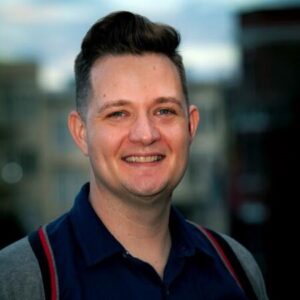
Assistant Professor at the University of Nevada, Las Vegas, School of Public Health
Jason D. Flatt, PhD, MPH (Pronouns: He/Him/They/Them) is an Assistant Professor at the University of Nevada, Las Vegas, School of Public Health, Department of Social and Behavioral Health. Jason’s $1.4 million-funded research portfolio works to better understand health concerns and needs of diverse sexual and gender minorities or LGBTQIA+ (lesbian, gay, bisexual, transgender, queer, intersex, asexual as well as additional identities) people living with Alzheimer’s disease, Parkinson’s disease and their care providers. Jason is currently Co-Principal Investigator of The National Institute on Aging-funded study to recruit and engage LGBTQIA+ people with memory loss and their care partners into The RISE (Research Inclusion Supports Equity) Registry.
Mentor Workshop Registration
Registration for this year’s workshop is currently closed. The Knight ADRC Research Education Component (REC) is currently developing a comprehensive mentor training certificate program for junior and senior faculty in…
Ganesh M. Babulal, PhD, OTD, MSCI, MOT, OTR/L (Links to an external site)
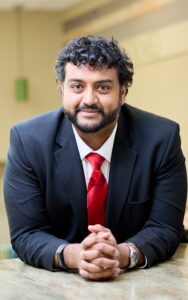
Principal Investigator and Assistant Professor, Knight Alzheimer’s Disease Research Center and Department of Neurology, Washington University
Dr. Babulal’s research goals include, (1) characterizing functional changes in older adults using AD biomarkers (e.g. structural and functional imaging, cerebrospinal fluid, plasma), (2) predicting decline in behavior via standard and novel methodologies, (3) identifying noncognitive behavioral markers that predict preclinical AD, and (4) developing/validating effective strategies to improve and prolong functional outcomes. Additionally, Dr. Babulal’s work resides in the assessment of how social determinants of health, including discrimination, depression, and chronic stress impact health, and well-being in older adults and underrepresented minoritized groups.
CDR Public Training Path
While Washington University in St. Louis and the Knight Alzheimer Disease Research Center do not technically place any expiration date on online CDR training certificates, it is recommended that trainees…
Suzanne Schindler, MD, PhD
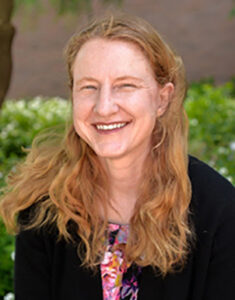
Dr. Schindler is a clinical neurologist and dementia specialist. Dr. Schindler is also trained as a neuroscientist and her overall research goal is to improve the diagnosis and treatment of Alzheimer disease and related disorders. Dr. Schindler's recent research has been on developing and testing fluid (blood and CSF) biomarkers for Alzheimer disease and is currently working towards predicting if and when cognitively normal individuals will develop symptoms of Alzheimer disease dementia based on a single blood or CSF sample and individual characteristics.
Fagan Laboratory (Links to an external site)
The Fagan Lab has studied Alzheimer Disease from multiple angles for more than 20 years. Currently, Dr. Fagan and her lab members focus on fluid biomarkers of disease with a particular interest in identifying individuals with preclinical and early stage AD. To this end, Enzyme Linked Immunosorbent Assays (ELISA), bead-based immunoassays, and cutting edge single-molecule counting systems are all employed to study protein biomarkers in cerebrospinal fluid. Most recently, the Fagan Lab has also begun to study the applicability of plasma biomarkers over the full disease spectrum from Autosomal Dominant AD (ADAD) to all stages of Late Onset AD (LOAD).
Crystal M. Glover, PhD (Links to an external site)
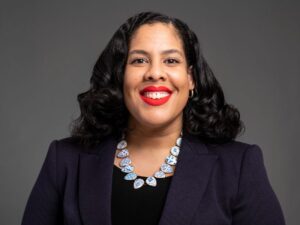
Associate Professor of Psychiatry and Behavioral Sciences and Neurological Sciences, Rush Alzheimer’s Disease Center, Rush Medical College
Dr. Crystal M. Glover is an applied social psychologist, mixed methodologist, and health equity in aging researcher at the Rush Alzheimer’s Disease Center and an Associate Professor of Psychiatry and Behavioral Sciences (and) Neurological Sciences in Rush Medical College. She also leads the Outreach, Recruitment, and Engagement Core at the Rush Alzheimer’s Disease Center. Dr. Glover’s areas of interest include health equity and health disparities; structural and psychosocial determinants of health including socioeconomic status and psychological wellbeing; intersectionality as a conceptual framework and methodology; and social cognitive processes such as attitudes, beliefs, and perceptions. She focuses her research and related efforts on understanding and facilitating cognitive and healthy aging across all demographic groups but with a special concentration on collaborating with and inclusion of members of African American/Black and Hispanic/Latino communities that have been inequitably included and traditionally understudied in aging research.
Hope Center for Neurological Disorders (Links to an external site)
A guiding principle of the Hope Center is that cell and molecular biological processes that underlie neurodegeneration are similar across disorders, such that research findings can be leveraged to provide insight beyond just one disease. Through the organization of research groups, the Hope Center aims to promote the sharing of unpublished data, foster collaboration, and speed the process of translation.
Lisa L. Barnes, PhD (Links to an external site)
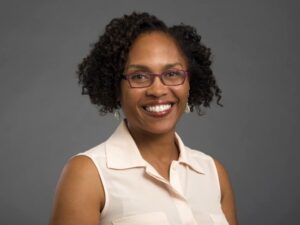
Jesmer Professor of Gerontology and Geriatric Medicine, Department of Neurological Sciences, Rush University Medical Center, and Cognitive Neuropsychologist, Rush Alzheimer Disease Center
Dr. Lisa L. Barnes is internationally recognized for her contributions to minority aging and minority health. Her research interests include disparities in chronic diseases of aging, cognitive decline, and risk factors for Alzheimer’s disease. She is the Principal Investigator of two longitudinal community-based studies of older African Americans, including the Minority Aging Research Study (MARS), which has been funded by NIA since 2004 and the African American Clinical Core which she has led since 2008. She advocates for recruitment of under-represented groups into clinical studies and has received many awards and fellowships from universities and organizations throughout the U.S.
Participant Feedback Form
The Memory and Aging Project (MAP) of the Knight Alzheimer Disease Research Center at WashU strives to do our best for each of our research participants. If we succeeded, please…
Guidelines
Print Operations Overview Service Availability Disclaimer Started in 2005, the Knight ADRC poster printing service was originally only available to Center-affiliated research investigators. As a courtesy, and to promote the…
Marissa Streitz, MSW, LCSW (Links to an external site)
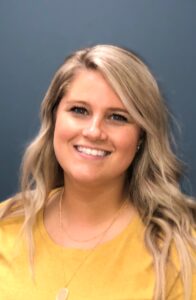
Project Manager, Knight ADRC, Washington University School of Medicine
Marissa Streitz, MSW, LCSW is a Project Manager at the Knight Alzheimer Disease Research Center at the Washington University School of Medicine and has 10 years of geriatric social work experience. Marissa's research interests include disparities in healthy aging and social determinants of health. Marissa has published in such journals as Alzheimer’s & Dementia: The Journal of the Alzheimer’s Association, Alzheimer Disease and Associated Disorders, and Patient Education and Counseling.
Luis D. Medina, PhD (Links to an external site)
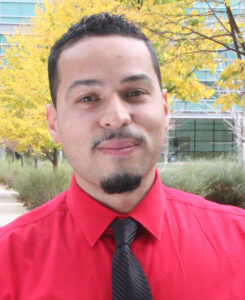
Assistant Professor and Director, Collaborative on Aging Research and Multicultural Assessment (CARMA), University Houston
Dr. Luis D. Medina is a licensed clinical psychologist and cultural neuropsychologist. His research examines the cultural neuroscience of cognitive aging, particularly in the context of Alzheimer’s disease and related dementias (ADRD), as well as the clinical assessment and diagnosis of ADRD in underrepresented populations.
Douglass Petty, PhD
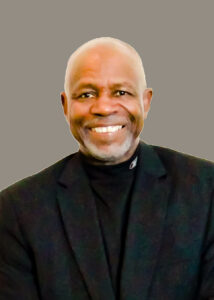
St. Louis Community Leader and Chair, Knight ADRC African American Advisory Board, Washington University School of Medicine
The focus of Pastor Douglass Petty's contribution to research in Alzheimer's disease and related diseases (ADRD) is his long-time involvement in and current chairing of the Knight ADRC African American Advisory Board. The Board advises the Knight ADRC on strategies to improve recruitment and retention of historically minoritized groups in ADRD research.
Darrell Hudson, PhD (Links to an external site)
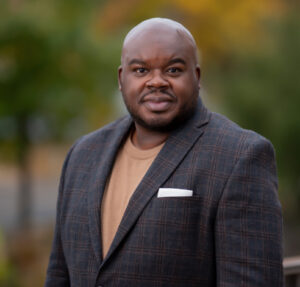
Associate Professor, Brown School of Social Work, Washington University in St. Louis
Darrell Hudson’s research focuses on racial/ethnic health disparities and the role of social determinants of health, particularly how socioeconomic position and social context affect health and health disparities. He is currently investigating why data show that African Americans — despite bearing a disproportionate burden of physical health disparities and greater exposure to stress — have lower rates of depression compared to white Americans.
Sid O’Bryant, PhD (Links to an external site)
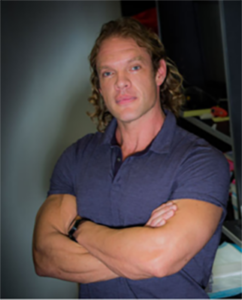
Professor, Family Medicine and Osteopathic Manipulative Medicine, and Executive Director, Institute for Translational Research, University of North Texas Health Science Center
Dr. O'Bryant is focused on identifying precision medicine approaches to dealing with brain diseases like Alzheimer’s disease, Parkinson’s disease, Down syndrome, Dementia with Lewy bodies and others. He believes that, through novel collaborative science, together we can bring better tools to health care providers helping patients and families.
About Us
The Charles F. and Joanne Knight Alzheimer Disease Research Center (Knight ADRC) is one of approximately 30 similar Centers funded by the National Institute on Aging (NIA) located at major…
Elena Portacolone, PhD, MBA, MPH (Links to an external site)
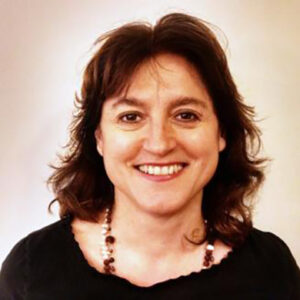
Associate Professor, Institute for Health & Aging, School of Nursing, University of California, San Francisco
Dr. Portacolone has research experience in studying cognitive impairment, older adults who are racial/ethnic minorities, innovative recruitment strategies, as well as artificial intelligence and other technologies to support people with cognitive impairment age in place. She has led six investigations that focus on identifying barriers and facilitators to acute and long-term services and supports, increasing engagement of racial/ethnic minorities in dementia research, social integration, and emergency preparedness in vulnerable older adults, the majority of them living alone. The majority of study participants in her studies belong to racial/ethnic minorities. She has received extensive training in cognitive impairment, ethics, and advanced qualitative methods, as well as mixed methods.
Amanda Boyd, PhD (Links to an external site)

Associate Professor of Health, Risk and Science Communication, Edward R. Murrow College of Communication and at the Institute for Research and Education to Advance Community Health (IREACH), Washington State University
Dr. Boyd works with Indigenous communities throughout the United States and Canada to examine the impact of communications on risk perceptions and behavior. Through this work, she aims to develop the tools and theory needed to create effective, culturally relevant communications that improve the health and wellbeing of Indigenous populations.
Strategies to Avoid Excluding Marginalized Groups in a New Era of Treating Alzheimer Disease and Related Dementias (Links to an external site)
Presenter: Angela M. Hill, Pharm.D., CRPh, Professor and Associate Dean of Clinical Affairs, Project Director, WE-CARE (Workgroup Enhancing Community Advocacy & Research Engagement), USF Health Taneja College of Pharmacy.
October 2, 2023
Zoom & in-person conference
Training Options
…option. Taking legacy, contracted, study-specific training? If you are a CDR trainee that is part of a contracted research study or clinical trial, use the button below to access the…
Wade Self, PhD (Links to an external site)
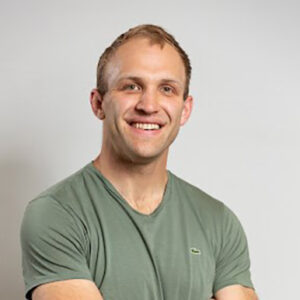
Dr. Wade Self is an Instructor in the Department of Neurology at Washington University School of Medicine in St. Louis. He has spent the past decade working with research teams in the academic and industrial setting to translate understanding of the basic neurobiology of disease into disease-modifying treatment strategies for Amyotrophic Lateral Sclerosis and Alzheimer Disease. Wade’s current work aims to understand mechanisms outside of the central nervous that modify neuroimmune interactions in models of Alzheimer Disease-associated pathologies to discover new therapeutic targets and test innovative approaches for AD treatment and prevention.
Nicole S. McKay, PhD (Links to an external site)
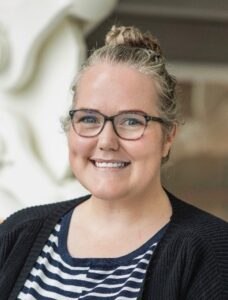
Originally from New Zealand, I am an Instructor (Radiology) working in the Neuroimaging Laboratories Research Center (NIL-RC). Broadly, I am interested in understanding heterogeneous cognitive trajectories across the lifespan, and in (Alzheimer) disease. I am currently working on projects that aim to understand the relationship between tauopathy and white matter degeneration, as well as their combined downstream influence on cognition. I am particularly interested in exploring whether unique patterns of tau protein seeding and spread, along with tau-mediated disruption to local white matter structures, can partially explain the heterogeneous cognitive outcomes associated with Alzheimer disease.
Memory Diagnostic Center
…help make any life style arrangements that may be necessary. The Memory Diagnostic Center is separate from Knight ADRC research projects (offered through the Memory and Aging Project) and from…
Anti-amyloid treatments: Why we think they are worth it (Links to an external site)

January 19, 2023: Communication and Behaviors in Dementia Caregiving (Links to an external site)
Jennifer Phillips, MPA, Senior Program Manager, Knight Alzheimer Disease Research Center at Washington University School of Medicine
Angela M. Hill, Pharm.D., CRPh

Professor and Associate Dean of Clinical Affairs, Project Director, WE-CARE (Workgroup Enhancing Community Advocacy & Research Engagement), USF Health Taneja College of Pharmacy.
About Dementia
…changes that may be taking place. While research has found that some changes in the brain are linked to certain forms of dementia, in most cases, the underlying causes are…
Knight ADRC Events

…events targeted toward professional and lay audiences. All Center-sponsored events are posted in our Events Calendar which is searchable and filterable. Video recordings and access to other materials from previous…
Memory & Aging Project
…the dedication of research volunteers and the gift of brain donation for autopsy. A brain autopsy confirms a diagnosis of Alzheimer disease (AD) and identifies clues about other diseases that…
Participants’ Meeting
Each year the Knight ADRC conducts a meeting for our study participants to discuss the current state of research at the Center. Watch previous meetings by clicking on the Video…
CDR® Dementia Staging Instrument
…and how to license CDR Dementia Staging Instrument for use in research or in a clinical setting. CDR-FTLD CDR Certificate Request CDR Literature CDR Scoring Algorithm CDR Scoring Rules CDR…
Abdallah Eteleeb, PhD (Links to an external site)
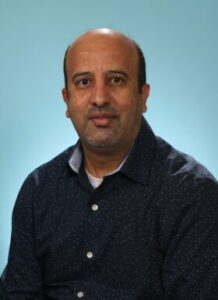
My research interests lie in the field of Bioinformatics and Computational Biology. More specifically, I am interested in the development of computational algorithms and machines learning approaches to integrate and interpret multiple large-scale modalities of “omics” data to better understand the biology of multiple neurodegenerative diseases with more emphasis on Alzheimer’s disease.
CDR®-FTLD
…Dementia Staging Instrument is a copyrighted instrument which must be licensed separately from the FTLD Module. If you would like to use the CDR as part of your research or…
Request Us
Faculty and staff of the Knight Alzheimer Disease Research Center welcome the opportunity to share information and answer questions about Alzheimer disease and related dementias. Please connect with us by…
Miguel Minaya, PhD (Links to an external site)
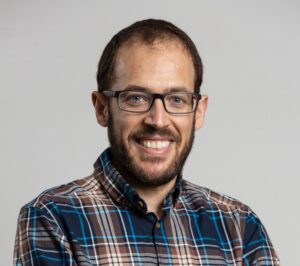
My research primarily focuses on coupling stem cell modeling with genomic approaches to determine whether there is a common molecular mechanism that links the existence of certain MAPT mutations to the surge in tauopathies observed when they are present. To this end, I study transcriptomic profiles of iPSC-neurons, -astrocytes and -microglia carrying disease-related mutations and compare them to isogenic controls created using CRISPR/Cas9 protocols. My long-term goal is to use ever more powerful novel approaches such as CRISPRi for multimodal genetic screening in human cell lines to understand more deeply the functions of several molecular drivers of disease and how to target these signatures to treat disease.
Nelly Friedrichsen (Joseph-Mathurin), PhD (Links to an external site)
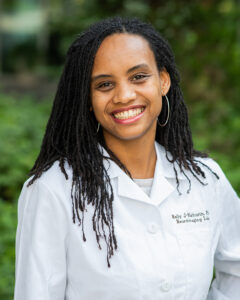
Research interests include: neuroimaging, neurodegenerative diseases, Alzheimer disease, neuroscience
Ances BioImaging Laboratory (Links to an external site)
The Ances Lab is a neuroscience research lab within the Department of Neurology at Washington University School of Medicine in St. Louis that is focused on:
Developing novel neuroimaging biomarkers of normal aging and neurodegeneration (including Alzheimer’s Disease (AD), Down syndrome (DS), HIV Associated Neurocognitive Disorders (HAND), Creutzfeld-Jacob Disease (CJD), autoimmune- mediated encephalitis (AIME), and neuroCOVID19).
Evaluating therapeutic interventions that will improve neurocognitive deficits and biomarkers associated with neurodegenerative disorders.
Clinician Partners Program
…Psychiatric Considerations Clinical Trials and Directions in Research The Caregiving Experience: Stress, Safety and Managing Challenging Behaviors Non-pharmacological Intervention and Symptom Management Health Disparities and Overcoming Barriers Safety Considerations: Falls,…
Postdoctoral Fellowships
…across the spectrum of basic, translational, and clinical research that focuses on neurodegenerative dementing disorders. All fellows are provided with ample clinical experiences to ensure their expertise in diagnosis, treating,…
Justin Long, MD (Links to an external site)
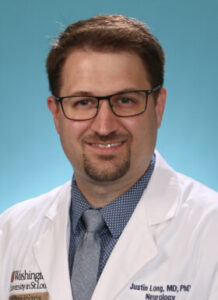
Dr. Long's research interests include understanding the pathophysiology of Alzheimer disease, specifically as it relates to the role of cholesterol metabolism in modulating the immune response in animal models of Alzheimer disease pathology.
CDR Public Training A (Remedial)
…but the collateral source does not remember the name although it was in Ohio. Her spouse’s main occupation was as a research chemist and his last major job was with…
Psychometrics
…assesses all research participants, providing expertise and relieving the individual project leaders from this effort. Performance on the psychometric measures allow cognitive skills to be evaluated and monitored over time….
Poster Queue View
The queue below represents poster orders received. On Wednesdays, you can refer to this page to determine approximately when your poster will be printed. Approximately 8 posters per hour are…
LEADS
…in large part due to the dedication of research volunteers and the gift of brain donation for autopsy. A brain autopsy confirms a diagnosis of Alzheimer disease (AD) and identifies…